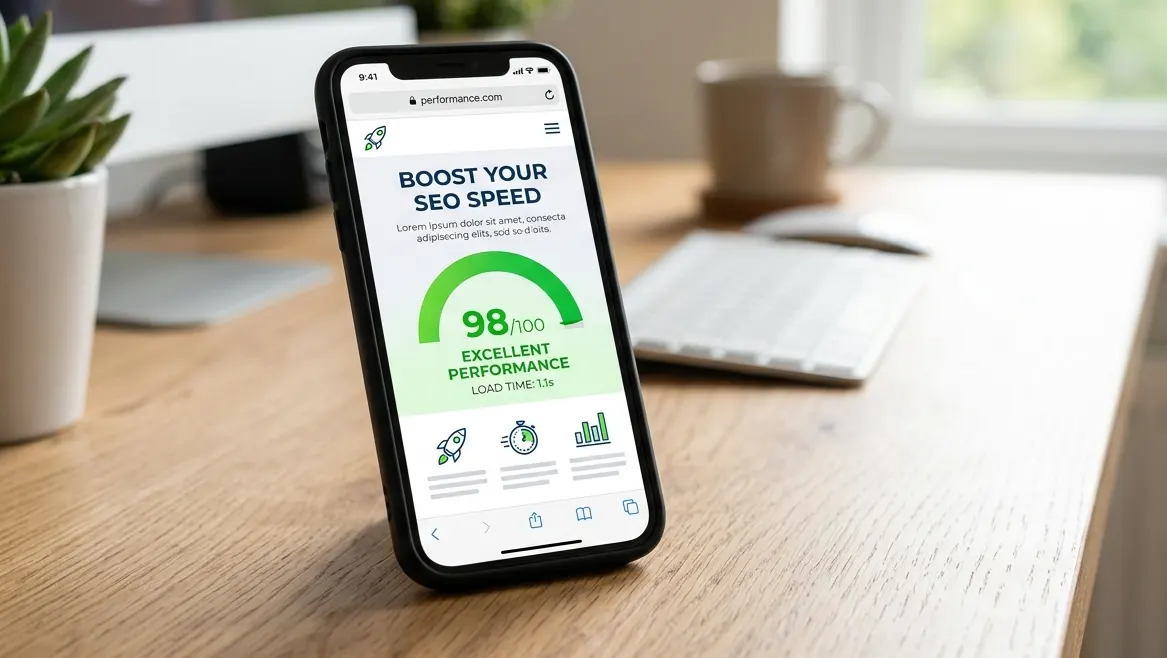
Website loading speed is one of the most important factors influencing user experience, search engine rankings, and online conversions. Modern users expect websites to load within seconds, and even small delays can lead to higher bounce rates, lower engagement, and lost business opportunities.
A fast website improves customer satisfaction, supports better SEO performance, increases lead generation, and creates a competitive advantage. From image optimization to Core Web Vitals improvements, every performance enhancement contributes to long-term business success.
This guide explains proven techniques to improve website loading speed, optimize technical performance, and achieve better search engine visibility.
WebCart Solutions develops high-performance, SEO-friendly websites optimized for speed, security, Core Web Vitals, and exceptional user experience across every device.
- Improve website speed for better SEO rankings
- Enhance user experience across all devices
- Increase conversions with faster page loading
- Optimize Core Web Vitals for long-term growth
1. Why Website Speed Matters
Website speed directly affects user experience, search engine rankings, bounce rates, lead generation, customer satisfaction, and online sales. A fast-loading website keeps visitors engaged while supporting long-term SEO success.
2. Optimize Image Sizes
- Compress images before uploading
- Use modern image formats like WebP
- Resize images appropriately
- Avoid unnecessarily large image files
- Maintain quality while reducing file size
3. Choose Reliable Web Hosting
Your hosting provider plays a significant role in website performance. Choose hosting with fast server response times, SSD storage, high uptime, scalable resources, and strong security features for consistent website speed.
4. Enable Browser Caching
- Store website resources locally
- Speed up repeat visits
- Reduce server requests
- Improve browsing performance
- Enhance user experience
5. Minify CSS, JavaScript, and HTML
Removing unnecessary spaces, comments, and unused code reduces file sizes and improves page rendering. Minified CSS, JavaScript, and HTML files load faster and improve website performance.
6. Reduce HTTP Requests
Every webpage loads multiple resources that generate HTTP requests. Combine CSS and JavaScript files, remove unnecessary plugins, and reduce external resources to improve loading speed.
7. Use a Content Delivery Network (CDN)
- Deliver content from global servers
- Reduce latency
- Improve international website speed
- Increase website reliability
- Enhance user experience worldwide
8. Enable GZIP or Brotli Compression
Compression technologies reduce website file sizes before they are delivered to visitors. GZIP and Brotli compression improve download speed, reduce bandwidth usage, and accelerate page loading.
9. Optimize Website Code
- Remove unused CSS
- Eliminate unnecessary JavaScript
- Optimize HTML structure
- Reduce inline scripts
- Write clean and efficient code
10. Limit Third-Party Scripts
External scripts such as advertising tools, chat widgets, social media plugins, and analytics services can slow your website. Only use third-party integrations that provide measurable business value.
11. Optimize Fonts
Too many custom fonts increase page loading time. Use fewer font families, limit font weights, preload important fonts, and choose modern font formats to improve website performance.
12. Remove Unnecessary Plugins
- Remove unused plugins
- Eliminate duplicate functionality
- Delete poorly optimized extensions
- Keep software updated
- Maintain a lightweight website
13. Optimize Database Performance
Regular database maintenance improves server performance by removing unnecessary records, optimizing database tables, and cleaning temporary files that slow website operations.
14. Implement Lazy Loading
Lazy loading delays loading images and videos until users scroll to them. This reduces initial page load time, lowers bandwidth usage, and improves mobile browsing performance.
15. Optimize Mobile Performance
- Responsive layouts
- Compressed mobile images
- Lightweight website design
- Touch-friendly navigation
- Fast mobile page speed
16. Monitor Core Web Vitals
Core Web Vitals measure real-world website performance. Focus on improving Largest Contentful Paint (LCP), Interaction to Next Paint (INP), and Cumulative Layout Shift (CLS) to enhance SEO and user experience.
17. Regularly Test Website Speed
Continuously monitor website performance after design updates, plugin installations, content changes, or feature additions. Regular testing helps identify issues before they impact users or search rankings.
18. Common Website Speed Mistakes
- Large uncompressed images
- Poor-quality web hosting
- Too many plugins
- Heavy animations
- Excessive JavaScript
- Missing browser caching
- Ignoring mobile optimization
19. How Faster Websites Improve SEO
Fast websites improve search rankings, reduce bounce rates, increase crawl efficiency, support faster page indexing, and enhance user engagement. Website speed is an essential part of every successful SEO strategy.
20. Business Benefits of a Fast Website
Optimizing website speed increases lead generation, improves online sales, strengthens customer satisfaction, enhances brand reputation, reduces bounce rates, and boosts conversion rates for long-term business growth.
21. Why Choose WebCart Solutions
- Website speed optimization
- Core Web Vitals optimization
- SEO-friendly website development
- Shopify performance optimization
- Responsive website development
- Ongoing website maintenance and support
22. Conclusion
Website loading speed plays a crucial role in SEO, user experience, and online business success. By optimizing images, improving hosting, implementing caching, cleaning website code, and enhancing Core Web Vitals, businesses can create faster websites that attract more visitors, improve search visibility, and increase conversions. WebCart Solutions delivers high-performance websites built for speed, scalability, and long-term digital growth.